全球對「生成式AI」技術的狂熱方興未艾。媒介理論家維蘭.弗盧瑟(Vilém Flusser)在上世紀曾預見新興社會結構愈發像是一個大腦,而技術圖像作為「全球神經系統的分泌物──即對超級大腦的夢想」已然浮現,並構成了全面自動控制的條件。然而,就在迎接「後攝影」時代到臨之前,世界仍面臨難題。借鑑弗盧瑟所言,人們尚未達到令AI能讓人類真正自由創造的階段,我們反而仍被相對原始的AI控制;我們還未能適當地理解AI,因此也無法妥善地設置AI。而這構成了我們在此的思索與挑戰。
Comments closedVoices of Photography 攝影之聲 Posts
Featured Post
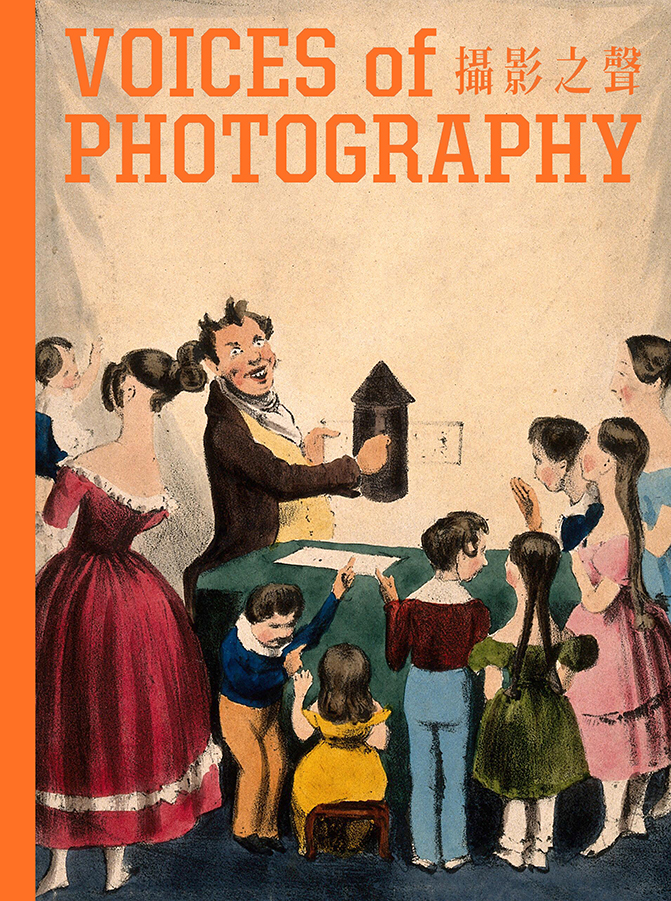
VOP Issue 34:光學玩具 Optical Toys
從曲柄、畫盤、窺孔,到鏡片、膠卷、燈泡⋯⋯,繞經各種物質,影像顯現,通過雙手與身體,穿越視網膜和意識。在攝影與電影盛行之前,十七世紀以降的視覺裝置已率先創造出新的知覺經驗與樂趣,並與不同技術媒介及視聽文化相互組構。本期由一系列光學玩具與視覺裝置展開──魔術畫片、旋轉畫筒、幻透鏡、實用鏡、翻頁式放映機⋯⋯,從動態視覺技術閃現的開端,探索影像的操作、生產與感知的關聯。
Comments closed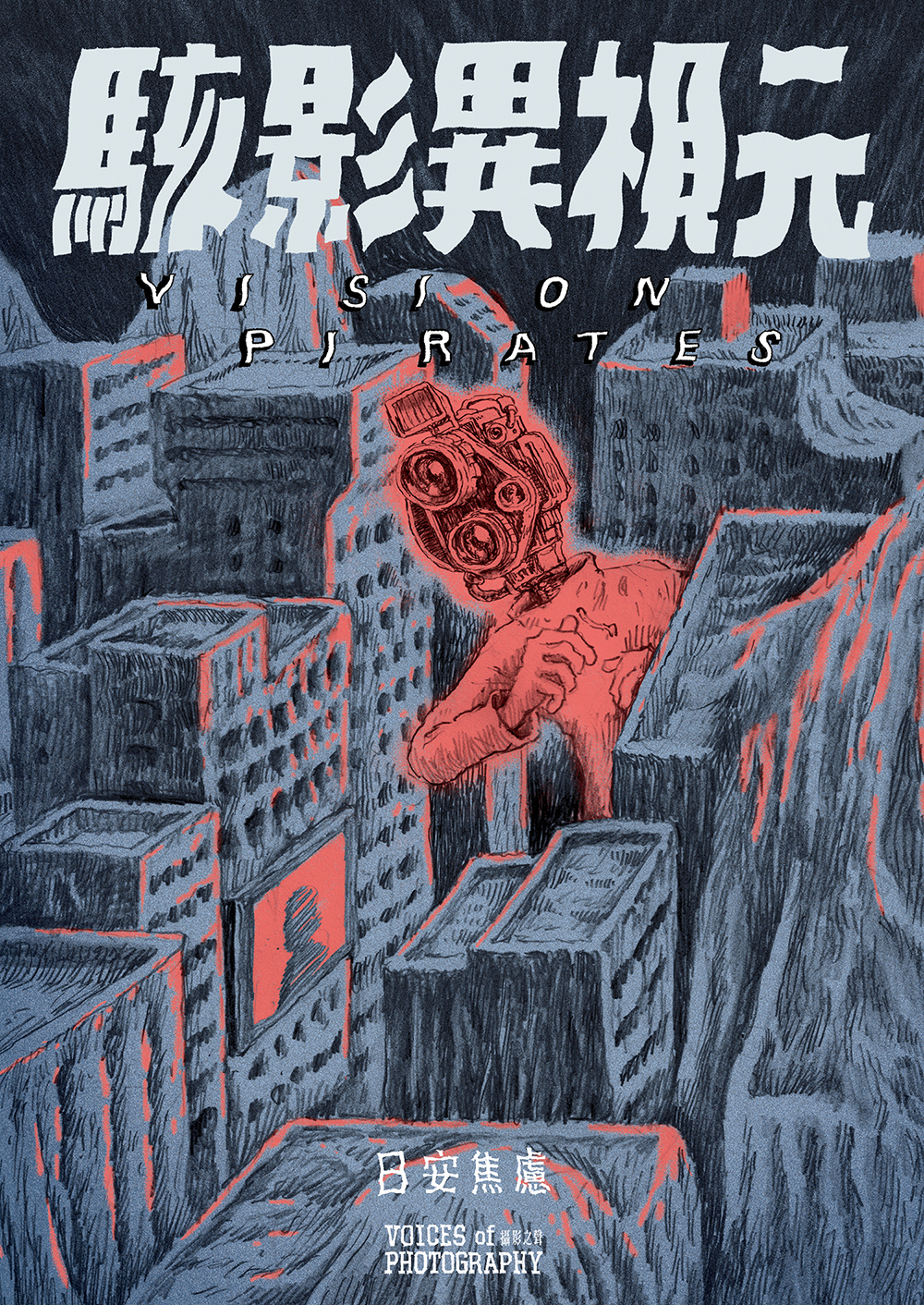
Featured Post
圖像短篇小說登場!
《駭影異視元》VISION PIRATES
《駭影異視元》VISION PIRATES
Featured Post
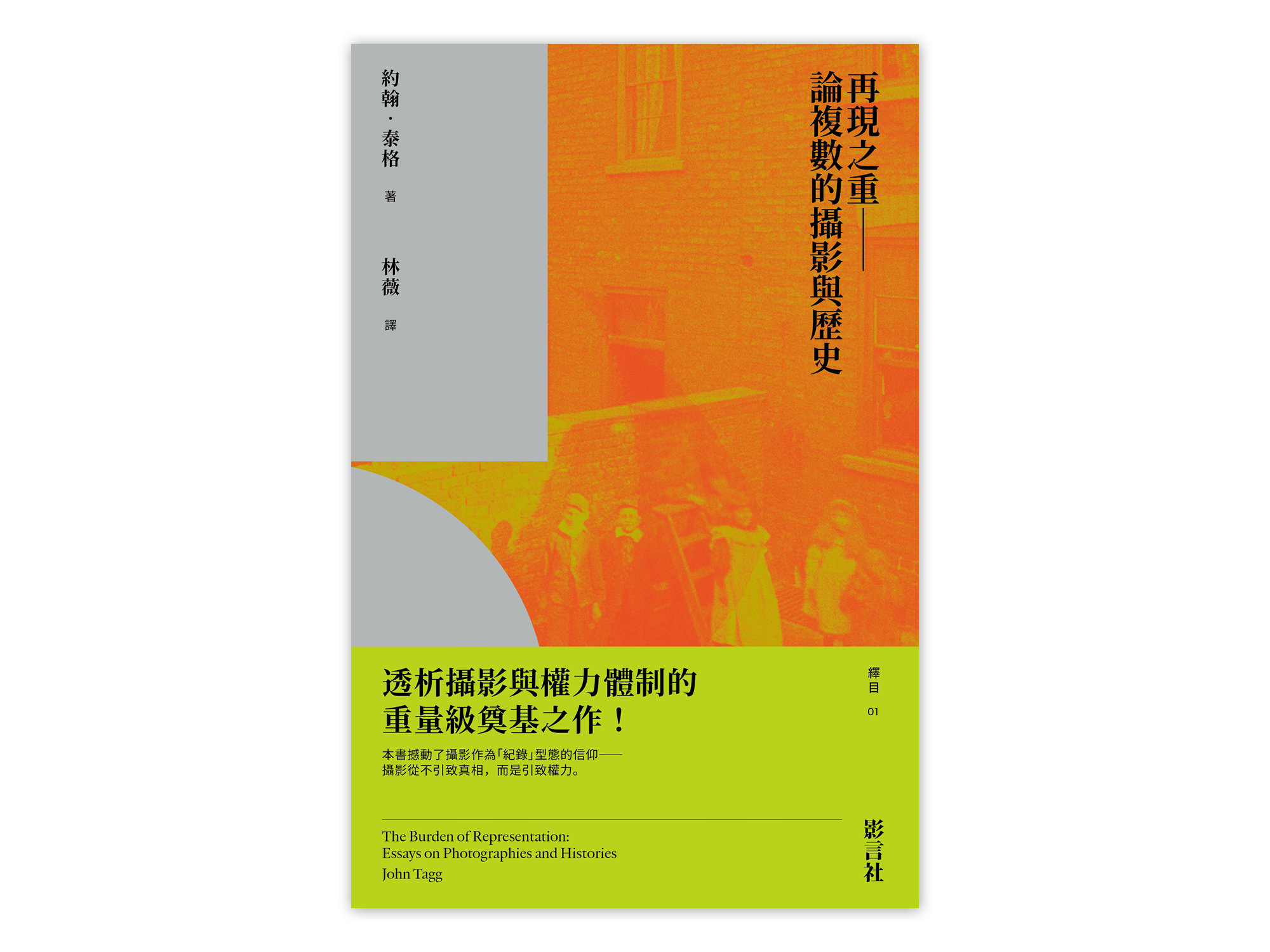
再現之重──論複數的攝影與歷史
藝術史學家約翰.泰格透析攝影與權力體制的重量級奠基之作!
是什麼讓攝影擁有召喚「真相」的特權?本書撼動了攝影作為「紀錄」型態的信仰──攝影從不引致真相,而是引致權力。藝術史學家約翰.泰格(John Tagg)洞察攝影所潛藏的種種權力機制,以及隨之建立的意義生產與真相體系。他檢視「攝影史」的隱晦面,論辨自十九世紀以降,「攝影」如何在資本主義與政府職能的擴張下急速發展、如何形成綿密的社會監控與規訓,以及如何為支配階級所需的社會秩序提供服務。
Comments closed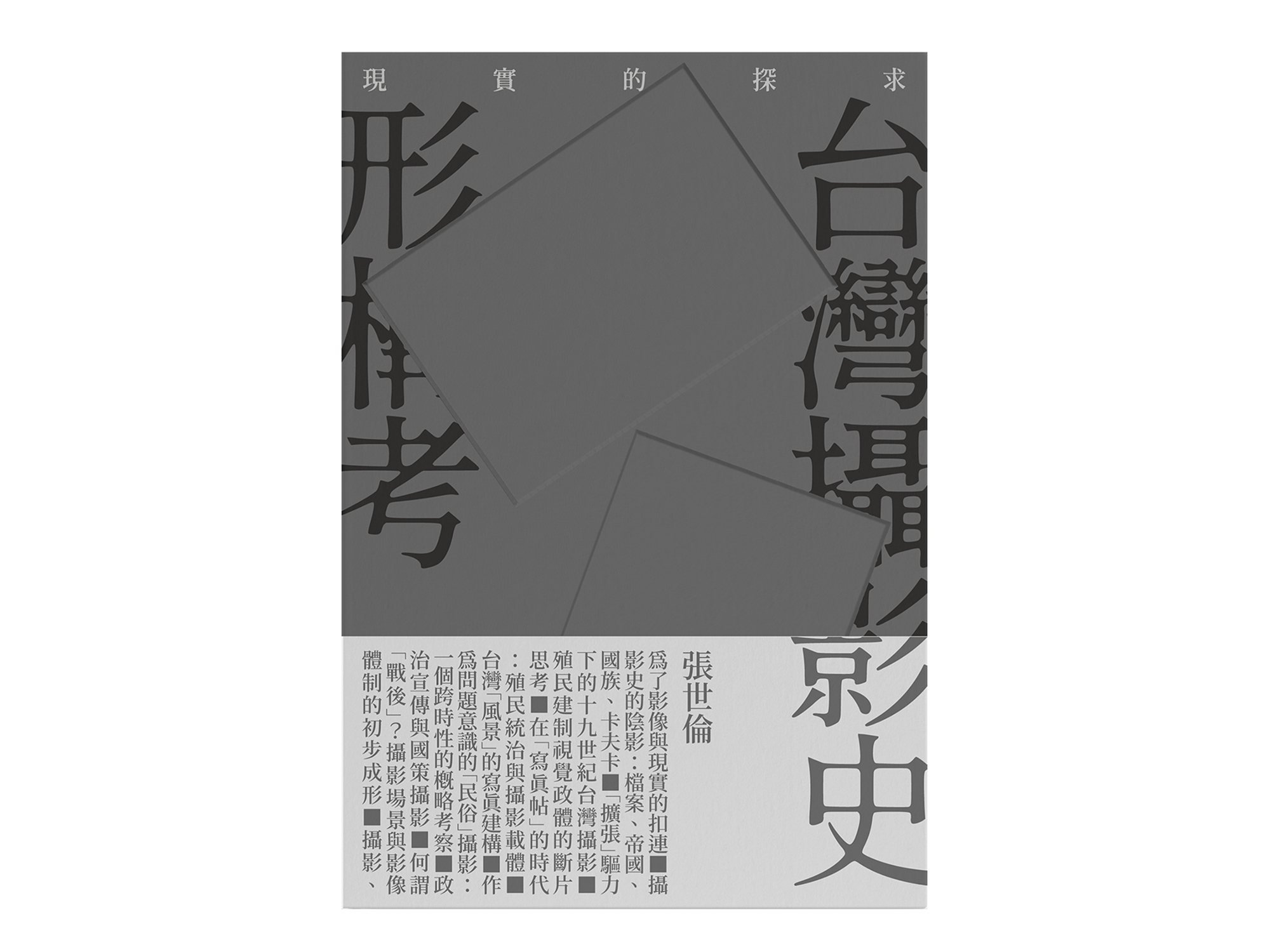
Featured Post
重磅推出!
張世倫《現實的探求──台灣攝影史形構考》
張世倫《現實的探求──台灣攝影史形構考》
一本批判論析台灣攝影史的專著首度問世!
本書集結影像史研究者張世倫近十年來的攝影史研究書寫,重返檔案文獻與歷史事件,以批判性的目光,帶領讀者細細觀察攝影在台灣歷史中的蜿蜒流動,反思「攝影史」的形構歷程。
Comments closed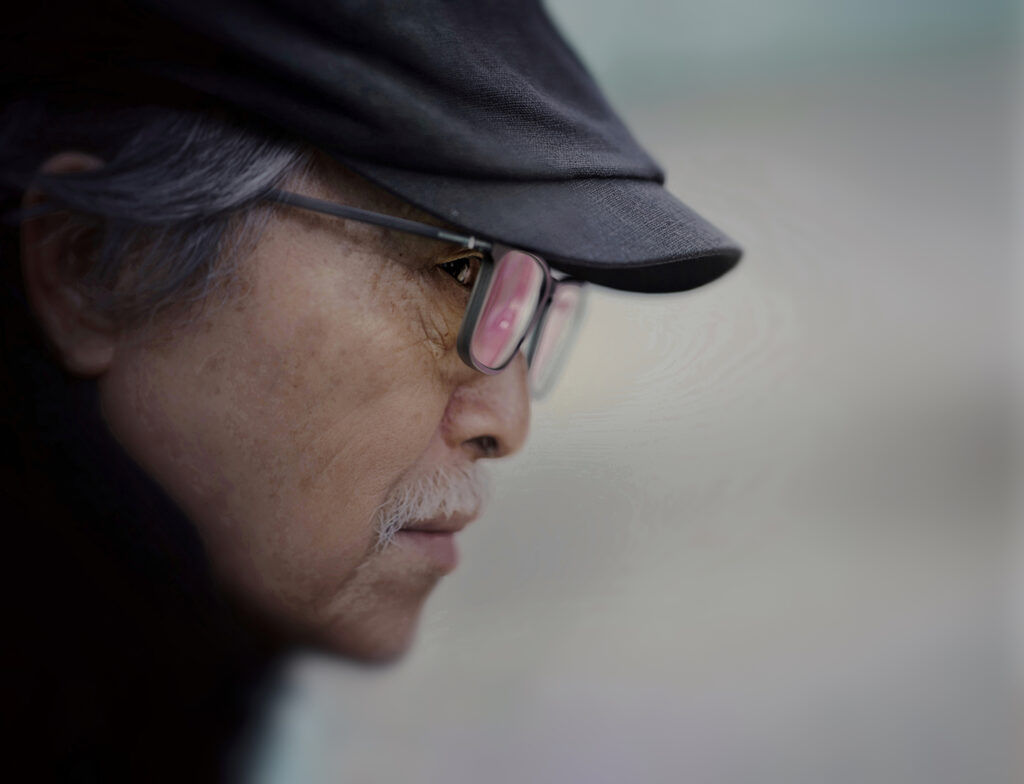
文字、訪談──許鈞宜
隨著書頁翻動,現實彷彿被調製為充滿各種畫質、色階與解析度的影像,呈現日常的快照、人物肖像、抽象光影,或是廣告傳單、書信與塗鴉的翻攝。在馬婷婷的創作中,書籍的編輯反倒成為能夠自由搖晃、混合各種感官的過程,讓每一個影像回到尚未被固定、分類的狀態。她擅於將現實生活物件的質地融入書籍設計,在閱讀中引起讀者共有的經驗,而裝幀與排序則賦予了往返她個人記憶與想像的路徑。透過多樣的攝影語彙、圖像的挪用,她創造出一座紛雜的紙上空間,令人重新反思現實的複雜性。
Comments closed
文字、訪談──許鈞宜
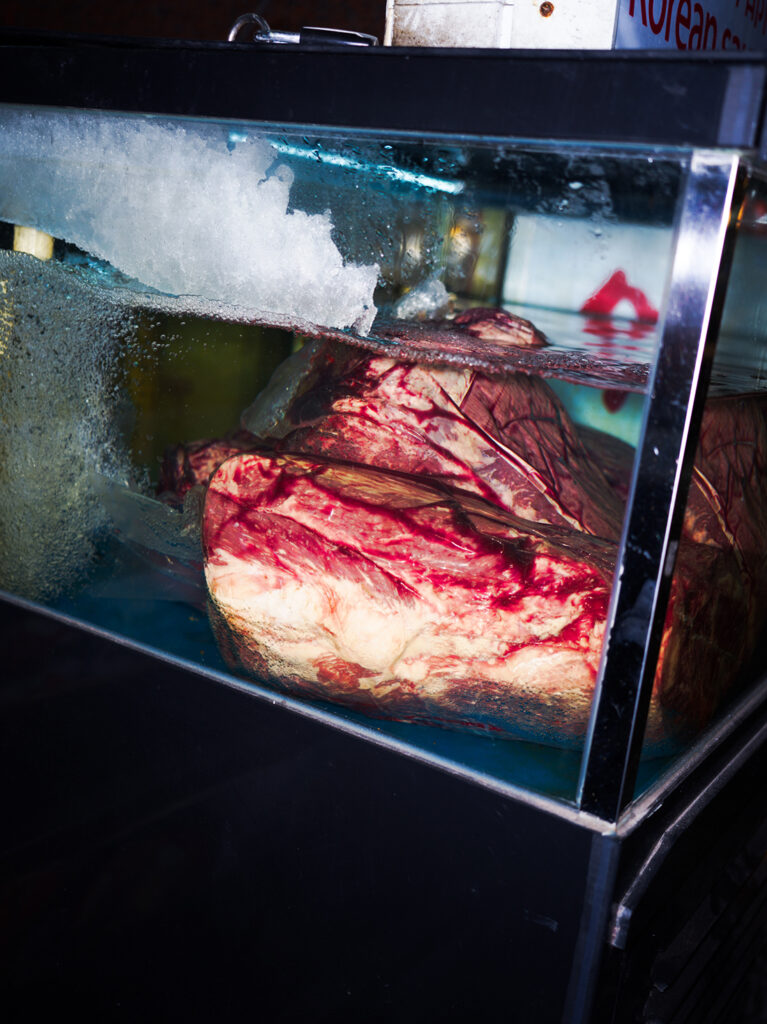
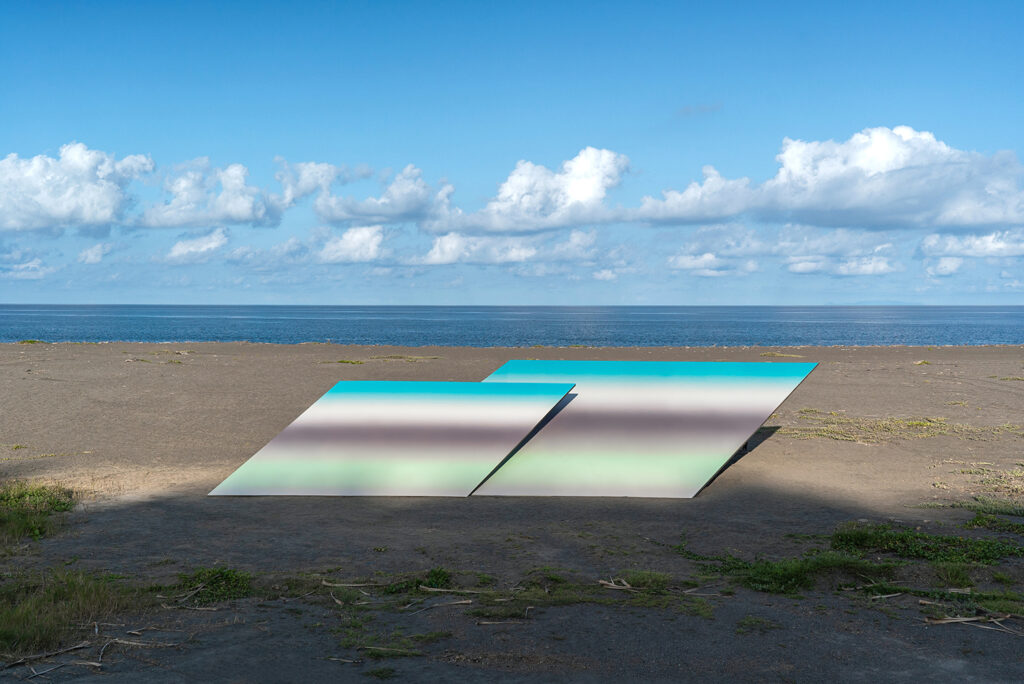
從模糊、晃動的光影,來到漸層變化的色彩平面,徐婷不斷探觸著影像、維度與感知之間的可能性。她從攝影、複合媒材、空間裝置與建築等創作背景中,發展出獨特的作品形式,從單幅的平面影像來到大型地景裝置,影像的生產程序始終與環境變化、觀眾身體有著緊密的聯繫。對徐婷來說,按下快門之後影像並未就此固定,而是伴隨對拍照當刻的反覆回想,在後製過程中被重新框取、變形,甚至透過觀察自然光映照在展場模型上的變化,最終將感覺發生的片刻轉移到展覽空間內。
Comments closed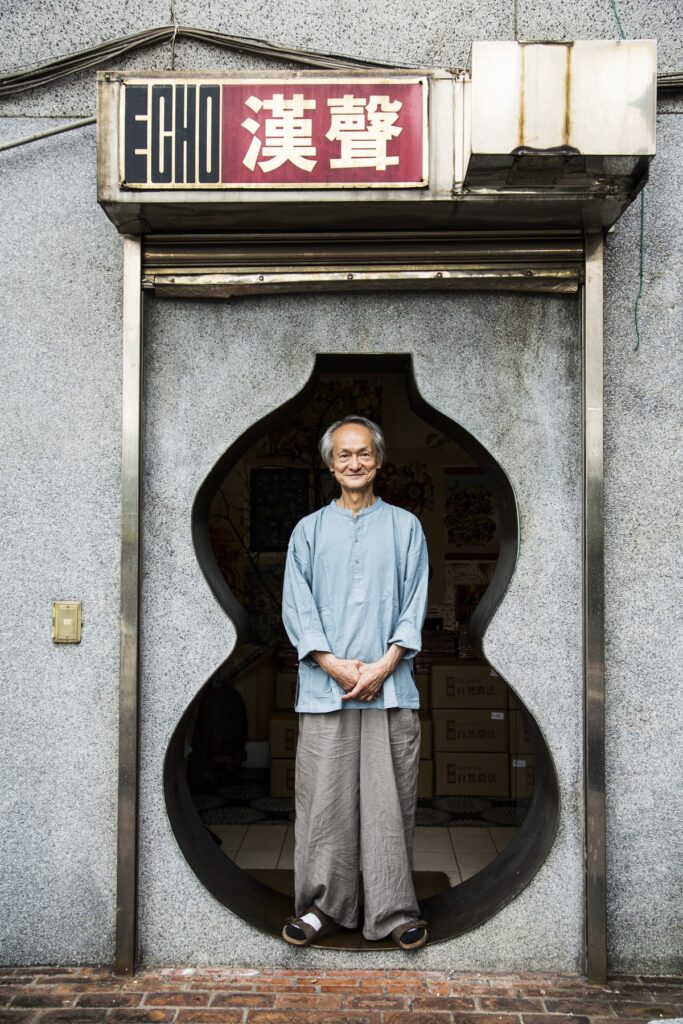
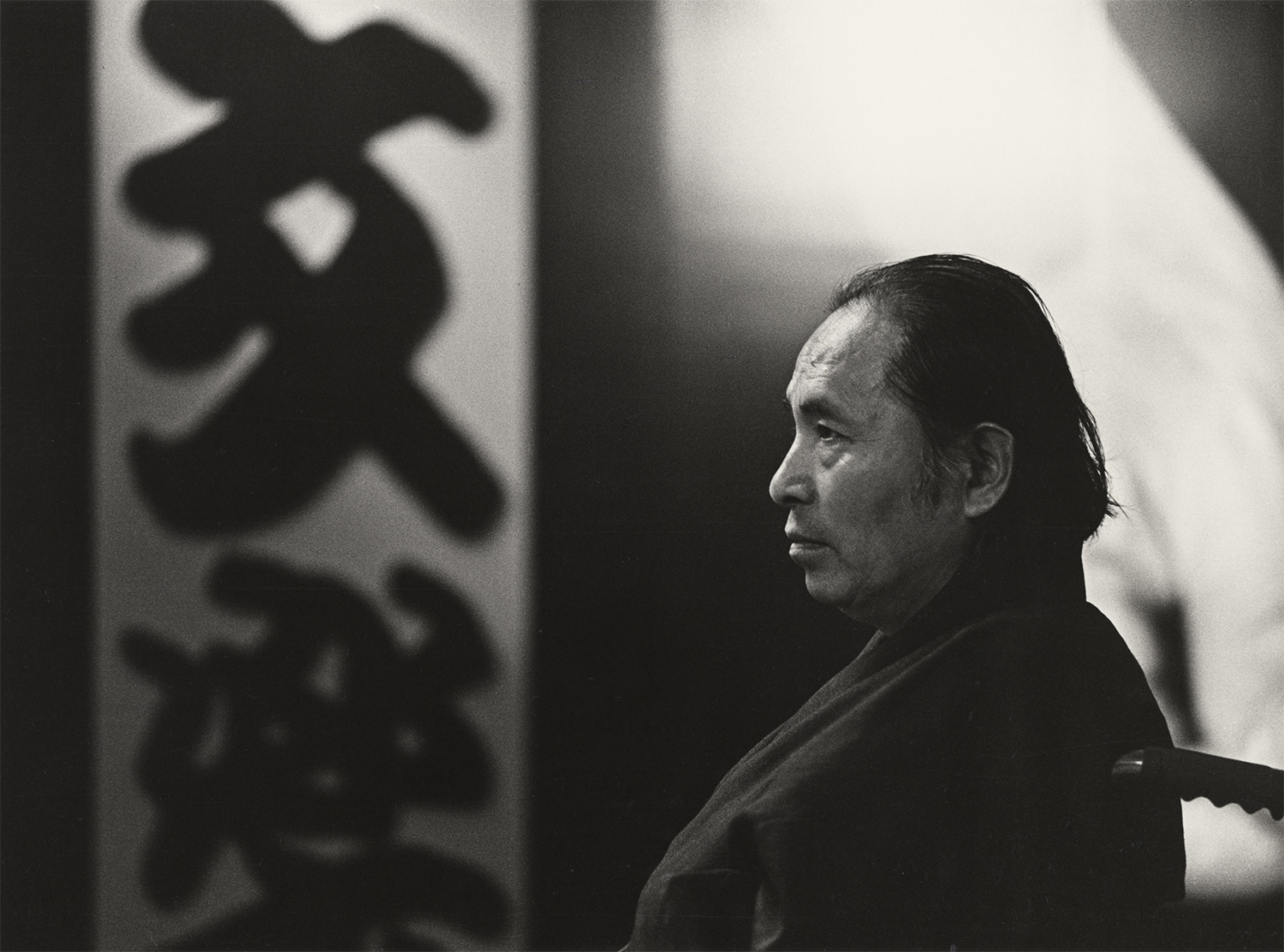
《ECHO 漢聲》發行人黃永松於2024年3月4日凌晨辭世,他與吳美雲、姚孟嘉、奚淞於1970年代催生《ECHO 漢聲》雜誌,推動具引領性與影響力的田野調查及文化記錄出版工作,拓展傳統民藝的現代視野,而有「漢聲四君子」之譽。
Comments closed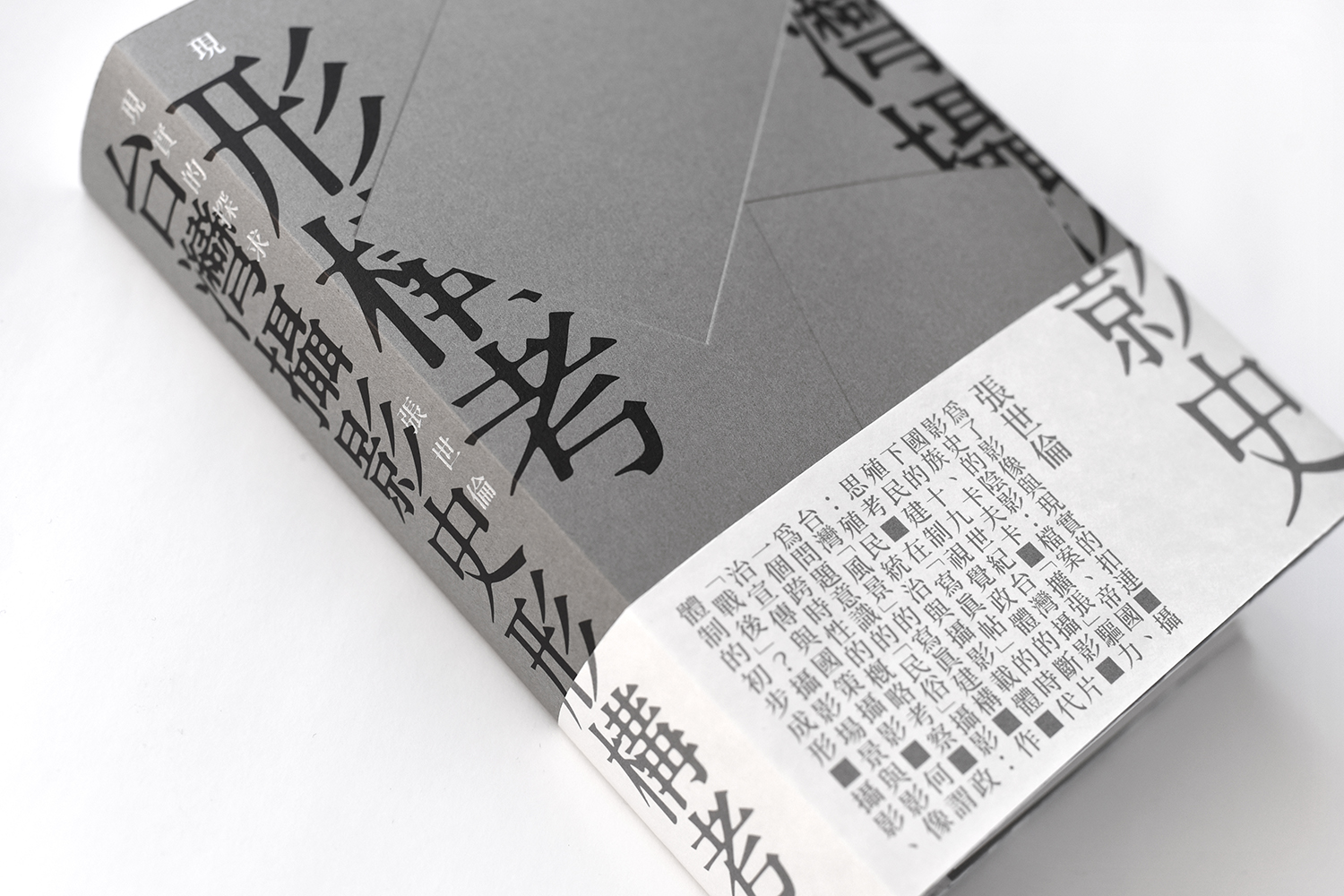
文──顧伊
張世倫於2021年關於台灣攝影的論著《現實的探求──台灣攝影史形構考》,其書名巧妙地將「歷史」一詞置於括號之中。在過去十年裡,對於台灣攝影重新燃起的動力和興趣,帶動了聚焦於台灣攝影遺產的書寫、展覽、甚至機構的增加,而這本書的問世正值此一關鍵時刻。
Comments closed